
“Am I ready to do positioning?”
How to know if you have a positioning thesis vs. a viable position in the market

If your positioning changes based on whoever you talked to on Zoom yesterday, you don’t have a position.
To win a real market, you need 3 things:
1) honesty
2) decisions
3) repeatability
Let’s look at how to know if you’re actually ready to build a fortress, or if the concrete is still too wet to stand on...
Most of my days are spent with growth-stage B2B companies, but occasionally I get into the mud with early-stage startups.
Across all of these projects, one high-stakes lesson keeps popping it’s head up…
You must know the difference between a positioning thesis (a hypothesis) and a validated market position (a proven reality).
Think of a position as “land” in your prospect’s brain that you had to fight a war for.
Once you’ve bled enough to earn that territory, it is incredibly difficult for a competitor to kick you out.
Human beings HATE changing their made-up minds. That’s positioning 101 (straight from Madison Avenue in the 1980s) and it’s still the absolute truth.
But how do you know if you’re actually ready to claim your land?
If you can answer these six questions with 2–3 market-tested points (instead of a brainstormed laundry list of 15 guesses), you are ready:
What alternatives are we replacing?
(How are they getting the job done today?)
Which advantages can we credibly own?
(What is our actual differentiator?)
Why do those advantages matter to our buyer?
(What is the “so what?”)
Which proof points do we have to back it up?
(What is our evidence?)
Who are our best-fit buyers, and why do they need to act now?
(Who is suffering the highest cost of inaction?)
Which market category do we belong in?
(Where does our prospect’s brain naturally file us?)
To find out if your positioning is real, ask yourself with brutal honesty…
How fluid is my situation?
Do the answers to these questions change depending on the week?
Does your target market depend on who you chatted with yesterday?
How confident are you that these answers won’t shift by next Monday?
Do you have quantitative data to make these calls?
It’s not always black & white.
Maybe you are 100% clear on your best-fit buyers and capability mix, but you’re using the wrong market category framing. Or maybe you tried to invent a brand-new category and realized it’s too abstract to help anyone actually buy.
If your answers are constantly shifting, it is simply too early.
The logic is…to win the war for that space in your prospect’s brain, you must repeat your message consistently for a long time. To repeat it, you have to actively decide to stick to it.
The paradox of early-stage growth is that B2B markets are flooded with tempting opportunities. If you just “listen to customers” without a guiding theory (ahem... positioning), you will get chaotic data that pulls your product in ten different directions.
If this sounds fucking hard, it’s because it is.
But it’s also the exact thing that separates durable brands from temporary, commoditized “me-toos”.
Timing is everything.
Every company needs positioning... but not always right now. You cannot make strategic decisions you can stick to while your foundations are still fluid.
Since you’re on an email list called B2B Positioning you’re likely staring down this exact crossroad.
Are you ready to claim your land today, or do you need to give it a little more time?
Your homework is to talk to your prospects with this lens.
Record your customer discovery calls, run them through an AI analyzer, and pull out the exact vocabulary of your buyers.
It is far better to ruthlessly pressure-test your positioning today than to launch a product based on flawed assumptions. I have made this mistake myself, and I can tell you that rebuilding a broken product-market fit is brutal.
When you secure a foundation you can actually stick to, your messaging aligns effortlessly.
You stop arguing about adjectives because you’ve already made the “meta-decisions” and documented the exact data that justifies them.
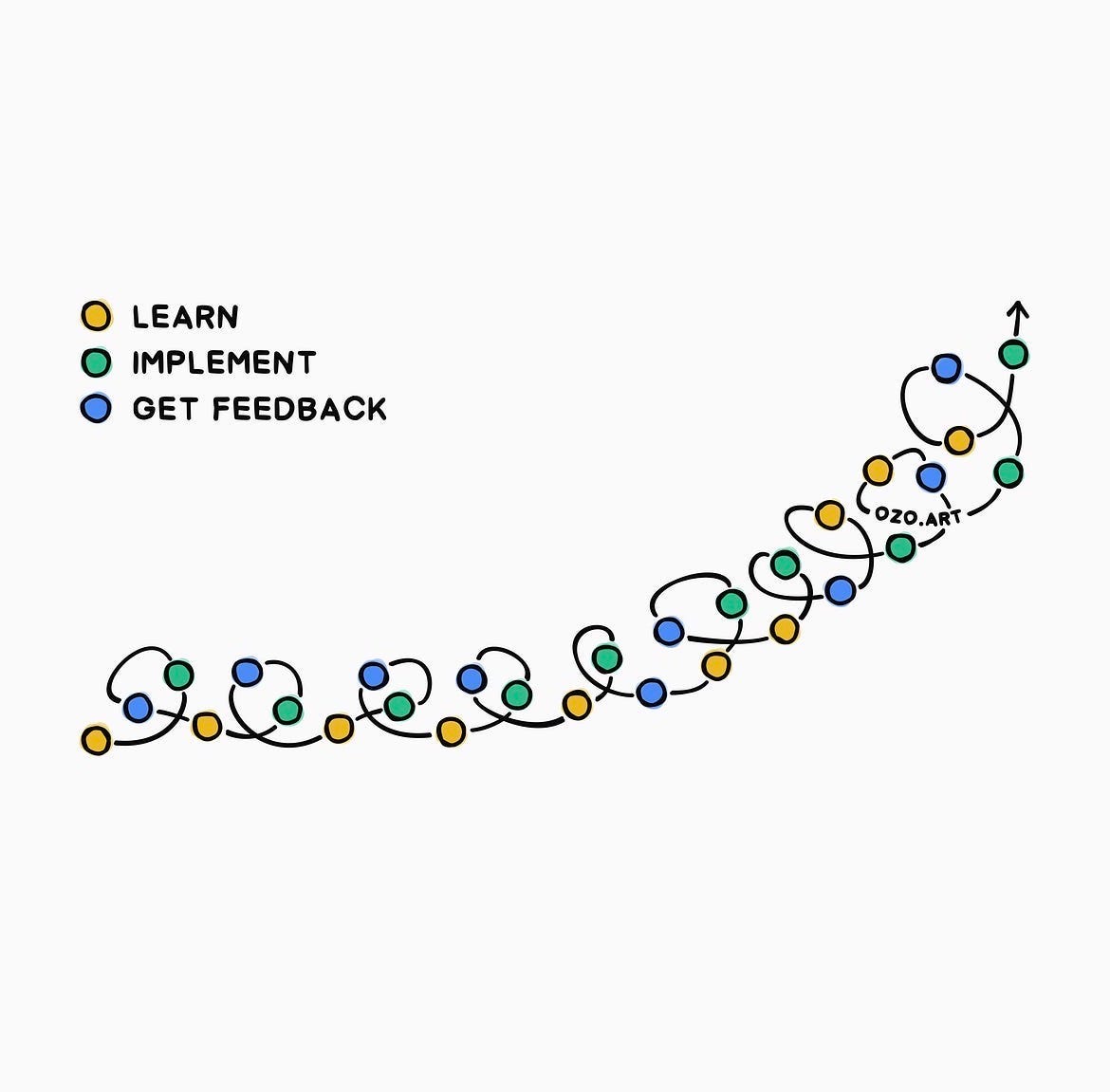
But if you are in the super-early stages, you just need more of this:
Your positioning pal,
~Brooks